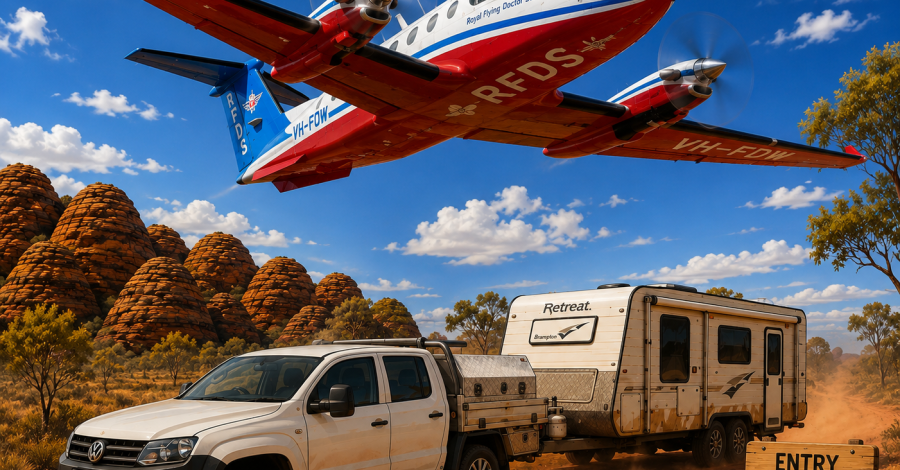
If you’ve ever driven the long, red-dirt highways of central Australia, you’ll know how far apart things really are out there. A town might be three hours from the next town. A hospital might be a full day’s drive away, or more. For the people who live, work, and travel across these vast distances, one organisation has stood as a “mantle of safety” for nearly a century: the Royal Flying Doctor Service, known to almost every Australian simply as the RFDS.
There have been several times through the years on the road where (hate to use a hackneyed old phrase) “but for the grace of God” we could have been stranded in the bush where the flying doctor may have been our only option.
Where It All Began
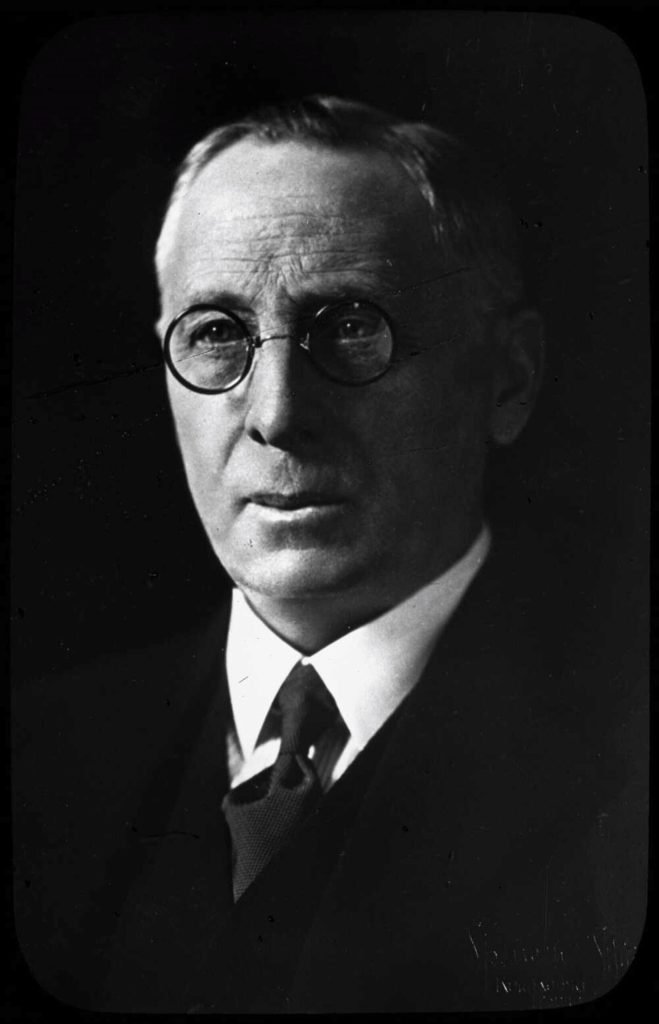
The idea was born from tragedy. In the early 1900s, the Reverend John Flynn, a Presbyterian minister working with the Australian Inland Mission, witnessed again and again what happened when someone fell seriously ill or was badly injured hundreds of kilometres from a doctor. Flynn dreamed of a service that could put a doctor within reach of anyone, anywhere in the outback, using the new technologies of aviation and radio.
That dream took flight — literally — on 17 May 1928, when the first flight of the Australian Aerial Medical Service took off from Cloncurry, Queensland. It was a single aircraft, chartered through Qantas, and a handful of believers who thought the outback deserved the same standard of care as the cities.
The service survived the lean years of the Great Depression on community fundraising, volunteer labour, and sheer determination. By 1934, it had grown into a national network of “Sections” across the states, eventually earning its Royal charter and the name it carries today. Almost a hundred years on, that same spirit of community support is still what keeps it flying.
What the RFDS Does Today
The RFDS has grown from one aircraft into one of the largest and most sophisticated aeromedical organisations in the world. Today it operates from bases scattered across the country, with a fleet of purpose-built aircraft — including Pilatus PC-12s, PC-24 jets, and King Air turboprops — flying millions of kilometres a year over a service area roughly the size of Western Europe.
Its work falls into a few broad categories:
- Emergency aeromedical retrieval — flying doctors and flight nurses to accident scenes, remote stations, and small communities to stabilise and transport critically ill or injured patients to major hospitals.
- Primary healthcare clinics — regular GP, nursing, dental, and mental health clinics held in remote towns and communities that would otherwise have little or no access to a doctor.
- Telehealth consultations — connecting remote patients with medical advice over the radio or phone, day and night, often the very first port of call for a family on an isolated property.
- Patient transfers — moving patients between hospitals for specialist treatment, and bringing them home again once they’ve recovered.
All of this adds up to hundreds of patient contacts every single day — and crucially, it’s provided free of charge to the people who need it, regardless of where they live.
Not Just for Locals — For Travellers Too
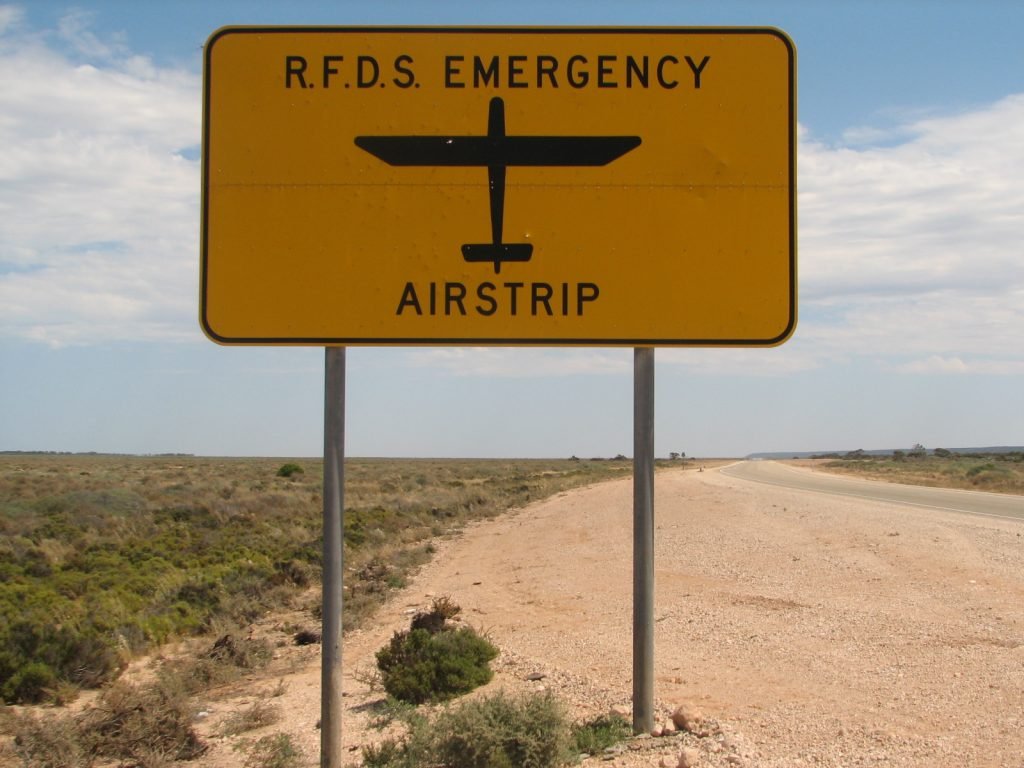
It’s easy to think of the RFDS as a service purely for outback residents and station families, but anyone travelling through rural and remote Australia relies on the same safety net. Grey nomads towing caravans along the Nullarbor, backpackers on the Gibb River Road, four-wheel-drive groups crossing the Simpson Desert — if something goes wrong out there, the Flying Doctor is very often the only medical help within reach. For travellers, knowing the RFDS exists is part of what makes exploring the outback feel possible at all.
Why Donations Matter
Although state and federal governments provide funding, the RFDS has always depended on public generosity to fill the gaps — particularly for the big-ticket items government funding doesn’t fully cover. A single aeromedical aircraft can cost several million dollars, and the specialised medical equipment on board isn’t cheap either. Community donations and bequests are what allow the RFDS to replace ageing aircraft, fund new equipment, and keep expanding its reach into ever more remote corners of the country.
Like you, we’re hoping to never need the RFDS — but had we not been close to Perth at the onset of Michael’s Myasthenia Gravis diagnosis and subsequent emergency hospitalisation, that may have necessitated a closer relationship and frequent RFDS points. Had we been in the bush we may very well have needed them.
If this story has moved you — whether because you’ve travelled through the outback yourself, have family living rurally, or simply believe that a person’s postcode shouldn’t determine their access to healthcare — a donation goes a long way. Donations made through the national donation page are distributed across the RFDS family to fund essential health services and aircraft, with the vast majority going directly to patient care.
You can donate to the Royal Flying Doctor Service here:
👉 https://www.flyingdoctor.org.au/donation/
Every contribution, large or small, helps keep the Flying Doctor in the air — ready for the next call, wherever in the outback it comes from.
Leave a Comment