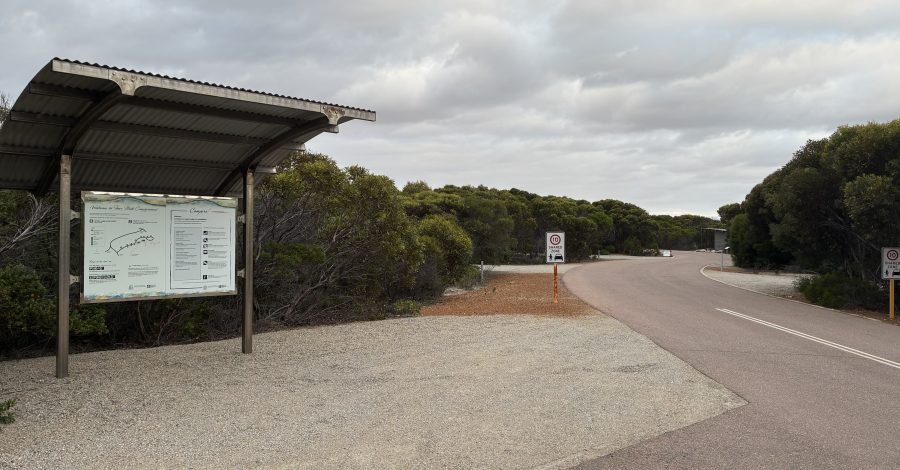
The first 334 clicks from Yanchep to Kulin were the longest we’d driven since January. Hauling a 5.5-tonne rig up hill and down dale takes constant concentration, and Michael’s neck and shoulders were wound tighter than a cheap guitar string by the end of it. Fair enough reason to park up in Kulin for two nights.
After a good rest, a few walks of the town and pub visits, the plan was a 10am start on Sunday for the last 373 kilometres. We’d either pull up halfway at Lake King for a night at the tavern, or detour through Jerramungup and stay there (or maybe the old Fitzgerald townsite’s school oval). Then Hopetoun and Four Mile on Monday.
Robert Burns had a few thoughts on the best-laid plans of mice and men. (Steinbeck just borrowed the line for a book title.)
Due at Four Mile sometime on Monday, we pulled into the Lake King rest stop around half past twelve, made wraps and coffee, and had The Great Debate. Roll on to Ravensthorpe and Hopetoun, or stop the night and put our feet up?
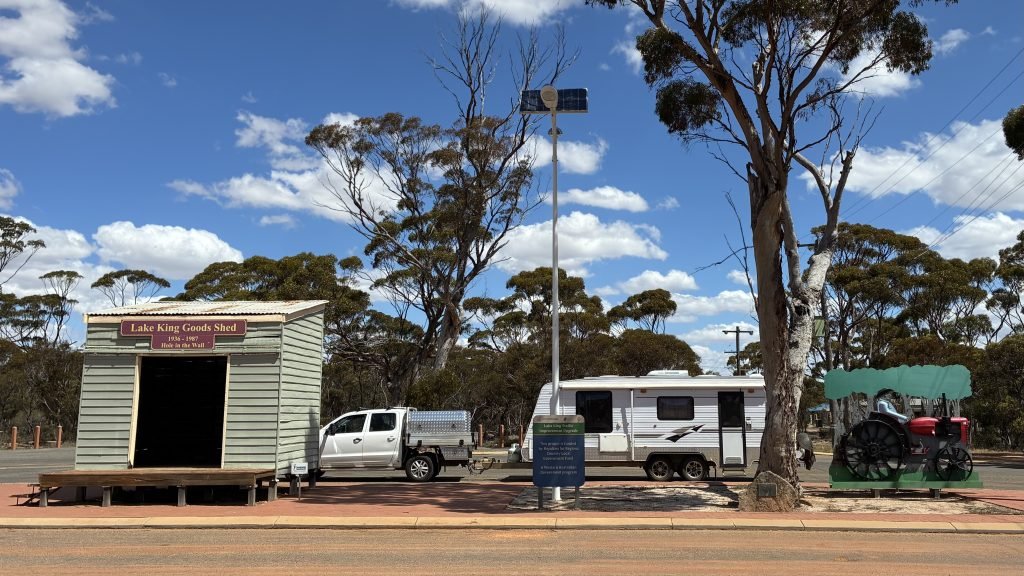
Bugger it, let’s go. Michael felt good after a short rest, and his MG app agreed: “Today’s score is 3. Around your average. There’s no clear signal that your body is more or less stable than usual today. Keep pacing, if you are able to.”
Ravey it was, then. That stretch is the worst bit of blacktop since leaving Yanchep, and it’s harvest season, so B-doubles and the odd triple loaded with grain were coming at us pretty much non-stop. On a Sunday, no less.
Ravensthorpe has an RV stop practically built into the side of a hill. We certainly didn’t need that, but we did top up the water tanks, so technically it was a stop.
After that, an easy run into Hopetoun, a sharp right into the Fitzgerald River National Park, and we’re home at Four Mile for the next few weeks.
And the lithium mine next door
Just outside Ravensthorpe (about two kilometres north of town) sits the Mt Cattlin mine, digging up spodumene, a lithium-rich mineral, along with a bit of tantalum. Construction kicked off in 2009 and it fired up in 2010 under Galaxy Resources, but low prices shut it down in 2013. It roared back to life in 2016, and the concentrate was trucked to Esperance Port for shipping overseas to the battery makers.
Ownership has changed a few times since: Allkem, then Arcadium Lithium, and eventually Rio Tinto. The most recent reports have it mothballed again, with chatter that Rio might sell. It’s another reminder that Ravensthorpe’s fortunes rise and fall with global commodity prices, and the locals have seen it all before.
Why we’re here (and why we keep coming back)
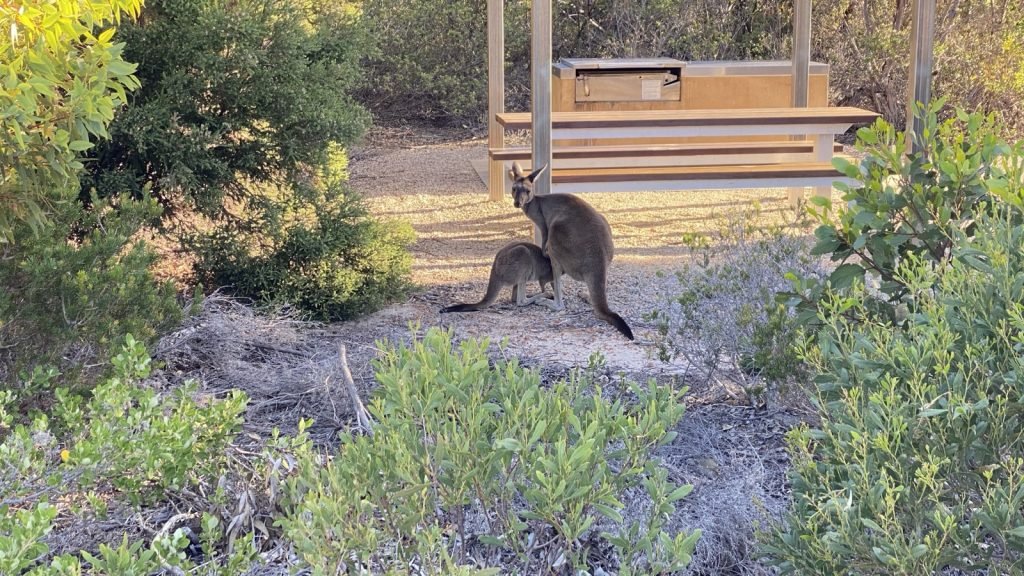
Four-plus weeks of camp hosting at Yanchep turned out to be a solid test run. With enough rest, the MG is manageable, and we love volunteering. You meet people from all over the planet and get to share what you know about the campgrounds, the national parks and the towns and attractions nearby.
This is our fourth visit here. Two were as tourists, and two have been as camp hosts working alongside the rangers. We’ve also stayed at Hamersley Inlet, which is inside the national park but run by the shire. How that arrangement works is anyone’s guess.
The place is magic. Four Mile Beach on the Southern Ocean is a 300-metre stroll from camp, with Barrens Beach a few hundred metres further along. Both are gorgeous, but the sharks got here first, so we’re happy to leave the swimming to them.
A bit about Fitzgerald River National Park
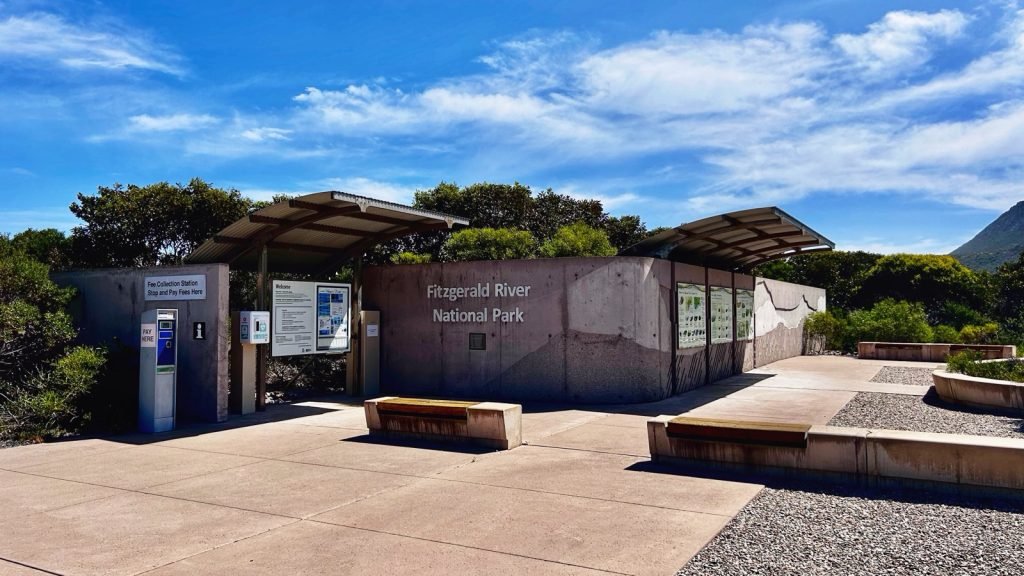
If you’ve never been, here’s why we bang on about it.
The park covers roughly 330,000 hectares of Western Australia’s south coast. It’s one of the most botanically rich places in the country, with around 1,800 plant species.
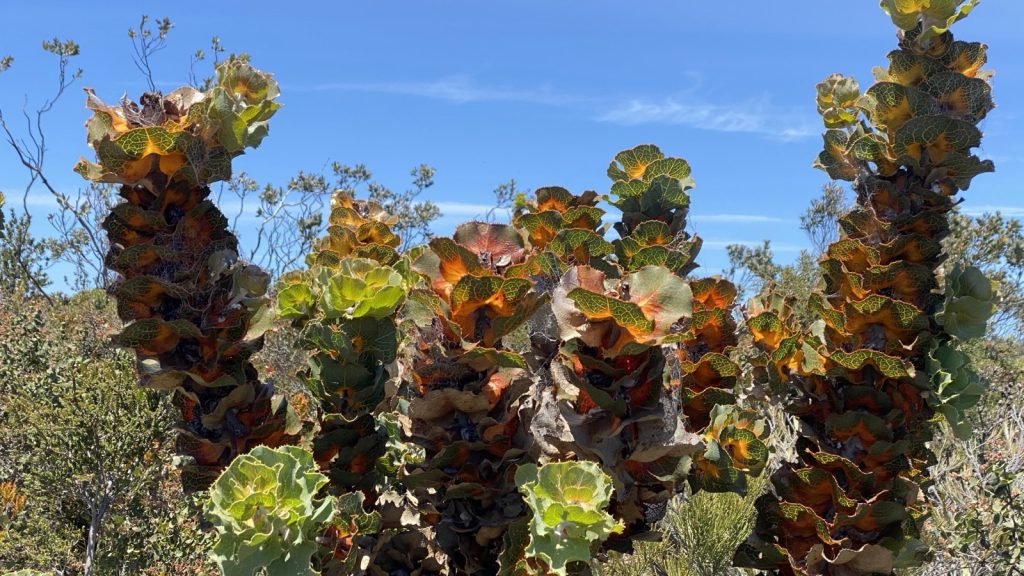
That’s about a fifth of the whole state’s flora, packed into a tiny fraction of its area, and dozens of those plants grow nowhere else on Earth. UNESCO listed it as a Biosphere Reserve back in 1978. In spring the heath erupts with banksias, dryandras and the famously weird royal hakea, and it’s hard to take a bad photo.
The wildlife is a good yarn too. The park is a stronghold for some of WA’s rarest critters, including the dibbler (a tiny marsupial once thought extinct) and the elusive western ground parrot. Between August and October, southern right whales cruise in close to shore to calve, so there’s a decent chance of a whale-watching session from the cliffs around then.
Then there’s the landscape itself.
The Barren Ranges and the Mount Barrens (East, Mid and West) rise out of the coastal plain like lumpy blue-grey islands, with Thumb Peak and Quoin Bluff keeping them company. Wander down to the coast and you’ll find a string of estuaries and inlets that open and close with the seasons and the rains. Hamersley Inlet, Fitzgerald Inlet and nearby Culham Inlet all have their own character, and the sandbars at their mouths are a lovely spot for a quiet brew.
The land has been home to Noongar people, including the Wudjari, for tens of thousands of years. European exploration came in the 1800s, when the Fitzgerald River was named in honour of Governor Charles Fitzgerald. Sheep and pastoral leases followed, and the park was gazetted in 1973, protecting what is now one of the great wild corners of the south-west.
Hopetoun: the little town with a big past
It’s just 9 clicks up the road, and Hopetoun punches well above its weight. Two pubs, a great bakery, an IGA, a pharmacy, a couple of cafes and, surprise, a caravan wash. Mavis may get her first proper clean of the year yet, on top of Kay’s constant TLC inside and out.
The town dates back to 1901 and was born as the port for the Ravensthorpe goldfields and copper boom. It was named for Lord Hopetoun, the first Governor-General of Australia. A railway ran inland to Ravensthorpe from 1909 to haul ore and supplies.
When the gold and copper faded, Hopetoun settled into life as a sleepy fishing and holiday town. Then the nickel boom of the 2000s brought a rush of workers and money, before the mine shut in 2009 and the whole place had to catch its breath again. Boom-and-bust is practically the local sport out here.
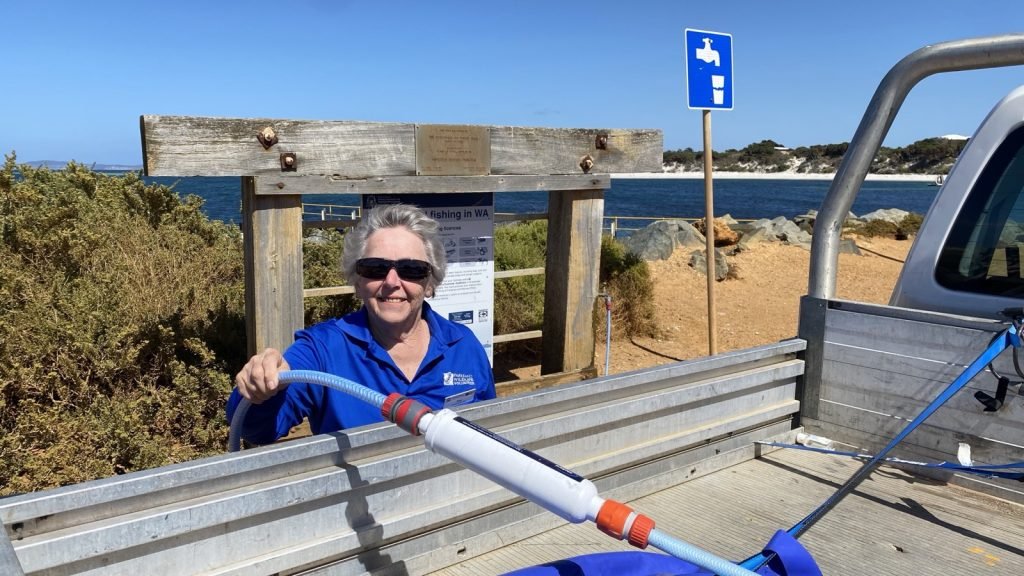
Today it’s a laid-back seaside town with excellent beaches, a lovely jetty and groin area — with potable water on tap, with bins — and a pace of life that suits us down to the ground.
For now, we’re enjoying the ocean breeze, the quiet and a pretty decent coffee from the bakery. More soon, folks.

Leave a Comment